Utah draws travelers with five national parks, dramatic canyon landscapes, and some of the most varied terrain in the American West. Whether you're planning a road trip through Capitol Reef and Bryce Canyon or basing yourself near Salt Lake City, choosing the right boutique-style hotel changes how much you can do each day. These four properties - in Torrey, West Valley, Panguitch, and Kanab - each offer a specific strategic advantage for exploring Utah's most visited corridors.
What It's Like Staying in Utah
Utah operates on a road-trip rhythm. Most of its iconic destinations - Zion, Bryce Canyon, Capitol Reef, Arches - are separated by hours of driving, so where you sleep directly shapes your itinerary. Salt Lake City functions as the main transit hub, with a well-connected international airport and urban amenities, but the real Utah experience starts once you head south on US-89 or US-12. Crowds at the national parks spike significantly between May and September, with Zion alone receiving around 5 million visitors annually, which means booking accommodations close to park entrances becomes critical at least 6 weeks ahead.
Gateway towns like Torrey, Panguitch, and Kanab offer the closest practical bases to multiple parks without the premium pricing of in-park lodges. The trade-off is limited dining and nightlife, but for hikers and photographers, the payoff in proximity and early-morning access is significant.
Pros:
- Unmatched access to five national parks within a single road trip loop
- Gateway towns offer competitive hotel rates compared to in-park or resort lodging
- Salt Lake City provides a convenient entry and exit point with direct flights from major US cities
Cons:
- Long driving distances between key sights require careful daily planning
- Dining and grocery options are extremely limited outside of SLC and St. George
- Peak season crowds at park entrances can add hours to your day if you're not positioned nearby
Why Choose Boutique Hotels in Utah
In Utah's gateway towns, boutique-style and independent hotels fill the gap between basic roadside motels and high-end resort lodges that can price travelers out of flexibility. These properties typically offer more personalized touches - free breakfast, hot tubs, fire pits, or curated local information - without the corporate uniformity of large chains. Free breakfast alone can save around $20 per person per day, a meaningful figure on multi-night park trips. Room sizes at boutique-adjacent properties in Utah's smaller towns tend to be more generous than their urban counterparts, often including refrigerators and coffee-making facilities that support self-sufficient travel.
The key trade-off is that these properties are not located in walkable urban centers. You will need a car. But in Utah, a car is non-negotiable regardless of where you stay, so the trade-off is negligible. What you gain is strategic positioning next to trailheads, canyon access points, and park entrances that larger hotels in bigger cities simply cannot match.
Pros:
- Free breakfast included at all four properties, reducing daily travel costs
- Located near or within driving distance of multiple national parks, reducing park-day transit time
- Amenities like pools, hot tubs, and fire pits add recovery value after full days of hiking
Cons:
- No walkable town centers - a rental car is mandatory for all dining and activities
- Limited on-site dining; most properties serve breakfast only
- Availability in peak season (May-September) is tight and prices can rise sharply with short notice
Practical Booking & Area Strategy
Utah's most strategic base depends on your park priorities. Torrey is the closest town to Capitol Reef National Park, sitting just 4 miles from the park entrance and also giving access to Boulder Mountain Scenic Highway - a route many photographers consider unmissable. Panguitch sits 20 miles from Bryce Canyon and about an hour from Zion, making it the strongest base for travelers hitting both parks in one trip. Kanab, often called Utah's film location town, positions you within 65 km of Zion's east entrance and around 144 km from the Grand Canyon North Rim, making it the best hub for cross-border itineraries. West Valley City, just 10 minutes from Salt Lake City International Airport, works best for arrival and departure nights or travelers focused on SLC's urban offerings like Temple Square, the Natural History Museum, and the Bonneville Salt Flats. Book at least 8 weeks ahead for any stay between late May and mid-September - particularly for properties near Bryce and Zion, where demand consistently outpaces supply.
Best Value Stays
These properties offer the strongest combination of location proximity to Utah's national parks and practical amenities at accessible price points - making them the go-to picks for travelers prioritizing strategic positioning over luxury finishes.
-
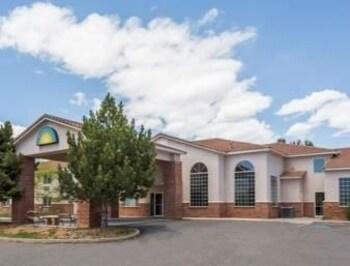
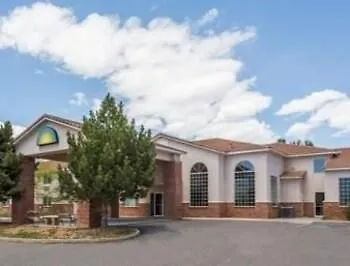
1. Days Inn By Wyndham Capitol Reef
Show on map


Just a few rooms left at the best rate!
fromUS$ 72
-
2. Quality Inn Panguitch Near Bryce Canyon
Show on map


Just a few rooms left at the best rate!
fromUS$ 55
-
3. Comfort Suites Kanab National Park Area
Show on map


Hurry – almost gone at this price!
fromUS$ 66
Best Premium Option
For travelers arriving into or departing from Salt Lake City International Airport, or those who want urban connectivity alongside national park access, this property delivers the most comprehensive amenity set of the four options.
-
4. Comfort Inn West Valley - Salt Lake City South
Show on map


Rooms filling fast – secure the best rate!
fromUS$ 112
Smart Travel & Timing Advice
Utah's national park corridor operates on a hard seasonal split. May through September is peak demand, with Zion, Bryce, and Capitol Reef all seeing visitor volumes that strain parking, trailheads, and hotel availability simultaneously. Hotels in Torrey, Panguitch, and Kanab sell out weeks in advance during this window, and prices can be around 35% higher than the same rooms in October. If your schedule allows, late September through early November is the strongest value window - crowds drop sharply after Labor Day, temperatures become ideal for canyon hiking, and many properties offer softer pricing with the same access. Plan for at least 2 nights per major park to make the driving worthwhile; one-night stays in gateway towns rarely allow enough time to explore beyond the main visitor loop. For Salt Lake City stays, there is no extreme off-season - the city draws year-round visitors for skiing, business travel, and events, so the airport-area hotel rates remain relatively stable across the calendar year. Avoid booking last-minute for any southern Utah property between Memorial Day and Labor Day without expecting either sold-out inventory or significantly inflated rates.